How to Create a Blog: A Comprehensive Guide to Starting and Maintaining a Successful Blog
Are you interested in creating a blog but don't know where to start? This step-by-step guide will walk you through the process of creating and maintaining a blog, from choosing a domain name and web host to creating engaging content and promoting your blog. By the end of this tutorial, you'll have a fully functional blog and the knowledge to grow and maintain it. Whether you're a beginner or an experienced blogger, this guide will provide you with the tools and tips you need to succeed in the world of blogging.
Step 1: Choose a Domain Name and Web Host for Your Blog
Choosing a domain name and web host is the first step in creating a blog. Your domain name is the address of your blog, and it's what readers will type in to access your site. When choosing a domain name, consider a name that is easy to remember, relevant to your content, and available. You can check the availability of a domain name using online tools such as GoDaddy or Namecheap. Once you've chosen a domain name, you'll need to select a web host. Popular web hosts include Bluehost, SiteGround, and HostGator. Look for a web host that offers reliable service, good customer support, and affordable pricing. 
Step 2: Install a Blogging Platform and Customize Your Blog's Design
Once you have a domain name and web host, you'll need to install a blogging platform. Popular blogging platforms include WordPress, Blogger, and Tumblr. WordPress is one of the most popular blogging platforms, and it's easy to install and customize. You can install WordPress using a one-click installer, or you can manually install it by uploading the files to your web host. After installing your blogging platform, you'll need to customize your blog's design. Choose a theme that is responsive, easy to navigate, and consistent with your brand. You can customize your theme by adding a logo, changing the colors and fonts, and adding widgets and plugins. 
Step 3: Plan and Create High-Quality Content for Your Blog
Creating high-quality content is essential to the success of your blog. Plan your content by brainstorming topics, creating an editorial calendar, and writing engaging headlines. When writing your content, consider your target audience, the purpose of your blog, and the tone you want to convey. Use a conversational tone, and make sure your content is informative, entertaining, and engaging. Use subheadings, bullet points, and images to break up your content and make it easier to read. Optimize your content for search engines by using keywords, meta descriptions, and optimizing your images. 
Step 4: Optimize and Promote Your Blog for Maximum Visibility
Optimizing and promoting your blog is crucial to increasing your visibility and attracting more readers. Optimize your blog by using keywords, meta descriptions, and optimizing your images. Promote your blog by sharing your content on social media, participating in online communities, and collaborating with other bloggers. Use social media platforms such as Facebook, Twitter, and Instagram to share your content and engage with your readers. Participate in online communities related to your niche, and collaborate with other bloggers to reach a wider audience. 
Step 5: Engage with Your Readers and Monitor Your Blog's Performance
Engaging with your readers and monitoring your blog's performance is essential to building a loyal following and improving your content. Respond to comments and messages, and engage with your readers on social media. Monitor your blog's performance using analytics tools such as Google Analytics, and track your page views, engagement, and conversion rates. Use this data to improve your content, optimize your blog, and increase your visibility. 
Step 6: Maintain and Update Your Blog Regularly
Maintaining and updating your blog regularly is crucial to keeping your readers engaged and coming back for more. Regularly update your content, and make sure your blog is secure and backed up. Update your plugins and themes, and monitor your blog's performance. Use a maintenance schedule to stay on track, and consider using a blog management tool to help you manage your blog. 
Frequently Asked Questions
Q: How do I choose a domain name for my blog? A: Choose a domain name that is easy to remember, relevant to your content, and available. Q: What is the best blogging platform for beginners? A: WordPress is one of the most popular and user-friendly blogging platforms for beginners. Q: How do I optimize my blog for search engines? A: Optimize your blog by using keywords, meta descriptions, and optimizing your images. Q: How do I promote my blog and increase my visibility? A: Promote your blog by sharing your content on social media, participating in online communities, and collaborating with other bloggers.
Create A Blog
Create A Blog
How To Create And Maintain A Profitable Education Blog - Weareliferuiner

How to Create and Maintain a Profitable Education Blog - weareliferuiner
How To Set Up A Blog | Create.net
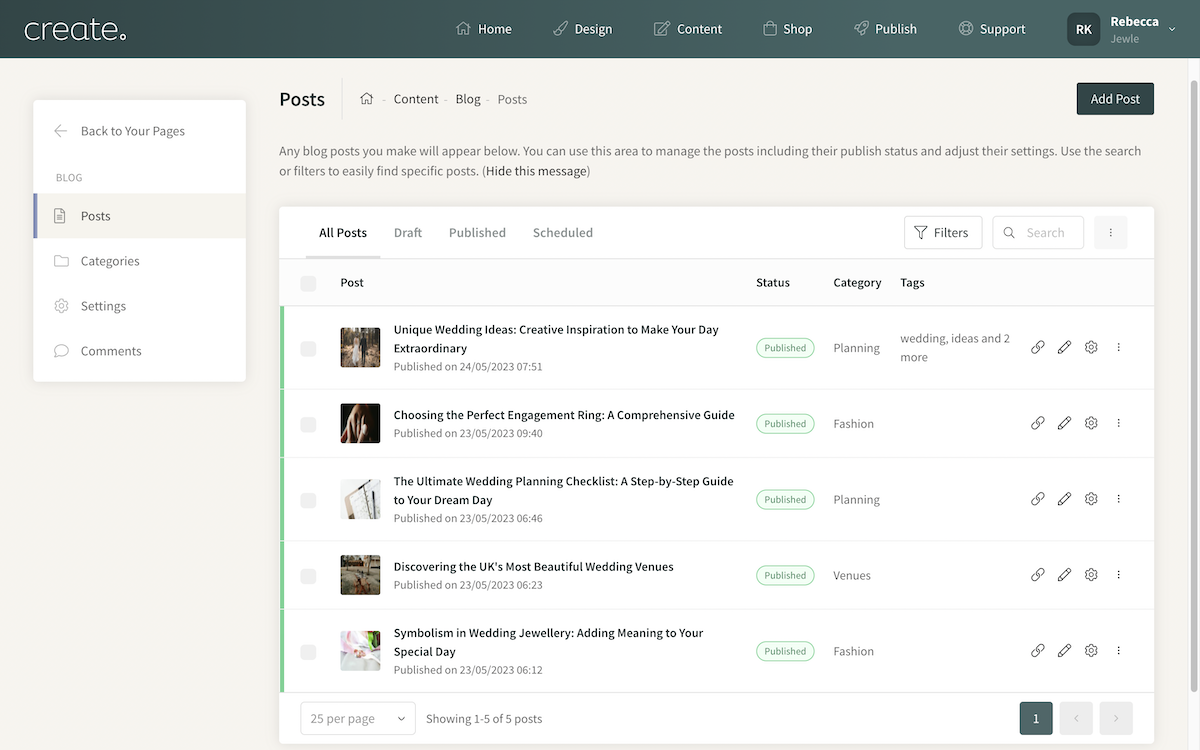
How To Set Up A Blog | Create.net